Skills every freelance digital marketer needs are becoming increasingly important in today’s competitive online business landscape. As companies rely more on digital platforms to reach customers, build their brand, and drive sales, the demand for skilled freelancers continues to grow. Businesses value freelancers for their flexibility, expertise, and cost-effective solutions—whether it’s helping startups gain visibility or supporting established enterprises in scaling up. However, with rising demand comes greater competition, making it crucial for freelancers to develop advanced skills that set them apart and ensure long-term success.
So, what does it take to stand out and succeed in this competitive space? The answer is that it’s not enough to simply know how to run ads, create content, or manage social media accounts. The most successful freelance digital marketers are those who possess a well-rounded, adaptable skill set that enables them to understand their clients’ needs, solve problems creatively, and deliver measurable results. It’s about blending technical expertise with strategic thinking, communication skills, and professionalism to offer value-driven solutions that clients can trust. Being adaptable allows you to pivot as trends change, while reliability and accountability build long-term client relationships. Most importantly, being results-driven ensures that your work directly contributes to your clients’ growth and success.
In this guide, we’ll explore The Ultimate Skill Set for Freelance Digital Marketers—a combination of both technical abilities and soft skills that will set you apart and help you thrive in the freelance world. From mastering tools and analytics to honing communication and time management, this guide will provide practical insights to help you build a sustainable and impactful freelance career in digital marketing.

1. SEO and Content Marketing
At the heart of digital marketing lie two essential pillars: search engine optimization (SEO) and content creation. These skills work together to ensure that your clients’ websites, blogs, social media posts, and marketing campaigns are not only seen but also found by the right audience at the right time. SEO involves optimizing website structure, keywords, and metadata so that search engines like Google can easily understand and rank content, helping drive organic traffic from users actively searching for products, services, or solutions. Without proper SEO, even the most engaging content can remain hidden in the vast sea of online information.
Content creation complements SEO by crafting valuable, relevant, and engaging material that resonates with the audience’s interests, challenges, and intent. High-quality content not only attracts visitors but also builds trust, encourages interaction, and nurtures customer relationships. Whether it’s blog posts that answer specific questions, videos that educate or entertain, or social media updates that spark conversations, content is the vehicle through which your clients’ brand message is communicated.
Together, SEO and content creation form the foundation of a successful digital marketing strategy. They ensure that your clients’ businesses are discoverable, authoritative, and aligned with customer needs, helping them stand out in competitive markets. For freelance digital marketers, mastering these skills is crucial—not just for driving traffic, but for creating meaningful experiences that convert visitors into loyal customers and advocates.
Key areas to master:
- Keyword research and on-page optimization
- Blogging, article writing, and copywriting
- Link building and outreach
- Content planning and calendar management
- Understanding search algorithms and trends
2. Social Media Management
Social platforms are where audiences come together to engage, share experiences, connect with brands, and ultimately make purchasing decisions. Whether it’s Instagram, Facebook, LinkedIn, TikTok, or emerging platforms, social media has become a central hub for customer interaction and brand storytelling. It’s not just about posting updates—it’s about creating content that captures attention, sparks conversation, and builds a sense of community around a brand. Engaging content might include eye-catching visuals, informative posts, polls, videos, or live interactions that invite followers to participate and share their thoughts.
Managing interactions on these platforms is equally important. Responding to comments, addressing concerns, and fostering meaningful dialogue helps build trust and loyalty, showing customers that their voices are heard and valued. Social media also offers opportunities to nurture leads, answer questions in real time, and guide potential customers through their buying journey.
For freelance digital marketers, the ability to craft compelling content while managing interactions thoughtfully is a critical skill that can set a brand apart from its competitors. It requires creativity, empathy, strategic thinking, and consistency—all aimed at strengthening relationships and driving engagement. By mastering these aspects, freelancers can help clients build authentic connections with their audience, enhance brand reputation, and ultimately influence purchasing decisions in a positive, customer-focused way.
Essential tools and practices:
- Scheduling posts (Buffer, Hootsuite)
- Audience engagement strategies
- Paid social ads (Facebook, Instagram, LinkedIn)
- Analyzing performance metrics
- Creating visual and video content
3. Paid Advertising (PPC)
Pay-per-click (PPC) advertising is a powerful tool that enables clients to reach highly targeted audiences quickly and efficiently. Unlike organic strategies that can take time to build momentum, PPC campaigns allow businesses to position their ads directly in front of users who are actively searching for products, services, or solutions, making it one of the fastest ways to drive traffic. Platforms like Google Ads, Bing Ads, and social media advertising networks offer advanced targeting options, allowing marketers to refine audiences based on location, interests, behavior, and demographics, ensuring that delivering the right message to the right audience at exactly the right moment.
Beyond driving traffic, PPC is a highly effective method for increasing conversions. By carefully crafting ad copy, selecting relevant keywords, and optimizing landing pages, marketers can guide users through the buying process and encourage immediate action, whether it’s making a purchase, enrolling in a newsletter or accessing a digital resource. Additionally, PPC campaigns provide detailed performance metrics, giving freelancers and their clients real-time insights into which ads are performing well and which need adjustment, allowing for data-backed decisions and continuous improvement.
For freelance digital marketers, understanding how to create and manage PPC campaigns is a vital skill that adds significant value to their service offerings. It requires not only technical know-how but also strategic thinking to balance budgets, target the right audience segments, and craft compelling ads that drive results. When executed effectively, PPC campaigns become a cornerstone of a client’s marketing strategy, helping them achieve their goals faster and more efficiently while maximizing return on investment.
What to learn:
- Google Ads setup and optimization
- Facebook and Instagram Ads Manager
- A/B testing strategies
- Conversion tracking and analytics
- Budget allocation and ROI calculations
4. Email Marketing
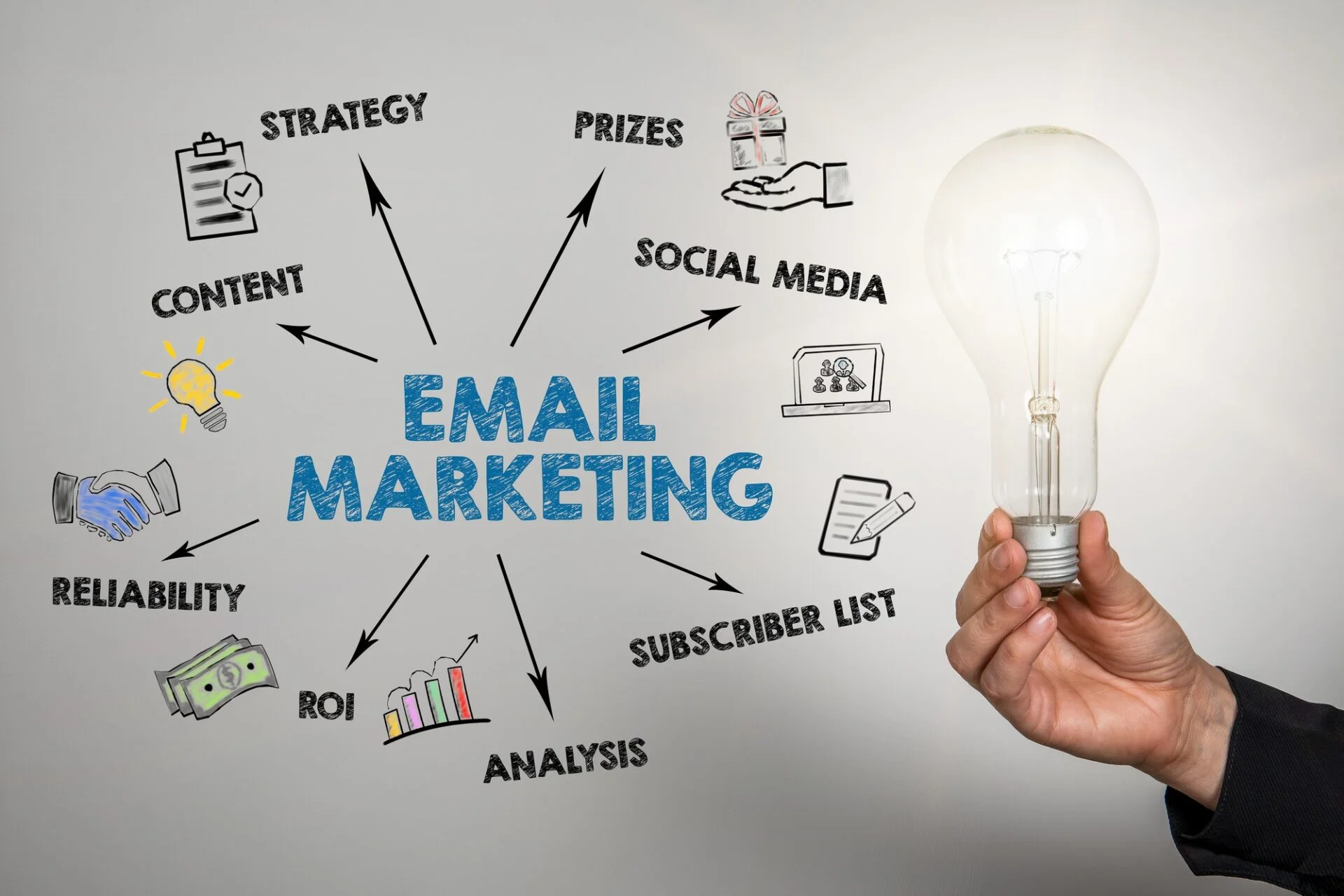
Email remains one of the most cost-effective and direct ways to nurture leads and engage customers throughout their journey. Unlike other marketing channels that rely on fleeting attention spans or algorithms, email provides a personal and consistent line of communication, allowing businesses to deliver tailored messages straight to a user’s inbox. With minimal cost compared to paid advertising or large-scale campaigns, email marketing offers a high return on investment, making it especially valuable for small businesses and freelancers working with tight budgets.
Beyond being affordable, email allows marketers to build long-term relationships by sharing relevant content, providing updates, offering exclusive deals, or addressing customer concerns. Through segmentation and automation, marketers can craft personalized messages based on a subscriber’s behavior, preferences, or stage in the buyer’s journey, ensuring that each interaction feels meaningful and timely. Regular communication helps keep a brand top of mind, encourages repeat engagement, and gradually nurtures trust and loyalty, ultimately leading to conversions and customer retention.
For freelance digital marketers, mastering email marketing is a key skill that enables them to support clients in building deeper connections with their audience. It requires understanding how to create compelling subject lines, write persuasive content, and analyze campaign performance to continually improve engagement rates. By leveraging email’s affordability and direct approach, marketers can deliver targeted, value-driven campaigns that foster relationships, drive actions, and contribute to sustained business growth.
Areas of focus:
- Building email lists
- Designing newsletters and automation workflows
- Writing persuasive email copy
- Segmenting audiences for personalization
- Measuring open rates, click-through rates, and conversions
5. Data Analysis and Reporting-Skills every freelance digital marketer needs
Digital marketing decisions should always be backed by data to ensure that strategies are effective, targeted, and aligned with the goals of the campaign. Without data, marketers are left guessing, which can lead to wasted time, effort, and resources. By being able to analyze performance metrics—such as click-through rates, conversion rates, engagement levels, bounce rates, and customer behaviors—you can gain valuable insights into what’s working, what’s not, and where adjustments are needed. This analytical approach allows you to continuously optimize campaigns, refining messaging, targeting, and creative assets to achieve better results.
Moreover, data-driven decision-making helps you communicate the impact of your work clearly to your clients. Rather than relying on assumptions or subjective impressions, you can present quantifiable evidence that demonstrates how your strategies are contributing to growth, customer acquisition, or brand awareness. This transparency builds trust, strengthens client relationships, and positions you as a knowledgeable and results-oriented marketer.
For freelance digital marketers, the ability to interpret data is a critical skill that goes hand in hand with creativity and strategy. It empowers you to make informed choices, respond quickly to market trends, and deliver solutions that are tailored to your clients’ unique challenges. Ultimately, combining data analysis with strategic thinking not only improves campaign performance but also showcases your expertise, helping you stand out in a competitive market and drive measurable success for the businesses you support.
Tools to use:
- Google Analytics
- Google Search Console
- Heatmaps and user behavior tracking
- Conversion tracking tools
- Reporting dashboards
6. Communication and Client Management
A freelance digital marketer must be more than just technically skilled; success in this field requires a balance between expertise and interpersonal abilities. While knowing how to run campaigns, analyze data, or create content is important, what truly sets a freelancer apart is the ability to build trust and maintain clear, consistent communication with clients. Trust is the foundation of any professional relationship—clients need to feel confident that you understand their goals, respect their brand, and have their best interests at heart. Without trust, even the most expertly executed campaigns can fall short because clients may hesitate to share their vision, provide necessary feedback, or rely on your recommendations.
Clear communication is equally critical. From the outset, establishing expectations around project timelines, deliverables, and reporting ensures that both parties are aligned and working toward the same objectives. Regular updates, transparency about challenges, and open channels for feedback help prevent misunderstandings and build long-term partnerships. Moreover, clients appreciate when marketers explain complex strategies in accessible language, helping them feel informed and empowered rather than overwhelmed.
For freelance digital marketers, cultivating these soft skills is as essential as mastering technical tools. By demonstrating reliability, empathy, and professionalism, you create a collaborative environment where clients feel heard and supported. This not only improves project outcomes but also encourages repeat business and referrals, helping you grow your reputation and career. In today’s client-driven marketplace, a marketer’s ability to foster trust and communicate effectively is what transforms transactions into partnerships and projects into lasting success stories.
Communication best practices:
- Setting realistic expectations
- Providing regular updates
- Handling feedback gracefully
- Writing proposals and contracts
- Managing deadlines and scope creep

7. Adaptability and Continuous Learning
The digital landscape is constantly evolving, with new technologies, platforms, and trends reshaping the way marketers connect with audiences. Tools that were once cutting-edge can quickly become outdated, algorithms governing search engines or social media feeds are frequently updated, and consumer behaviors shift as new preferences and challenges arise. In such a fast-paced environment, what worked yesterday may no longer be effective today, making it essential for freelance digital marketers to stay adaptable and curious.
Being adaptable means being open to change—whether it’s learning how to use a new marketing platform, adjusting strategies based on algorithm updates, or experimenting with different content formats to meet audience expectations. Curiosity drives you to explore emerging trends, ask questions, and continuously seek new knowledge, rather than settling into familiar routines. This mindset not only helps you respond to shifts in the market but also enables you to anticipate them, offering proactive solutions that keep your clients ahead of the curve.
For freelance digital marketers, staying adaptable and curious is a competitive advantage. It positions you as a resourceful and forward-thinking professional who is ready to tackle challenges, embrace innovation, and refine strategies in real time. By continuously learning and staying informed, you not only enhance your skill set but also build trust with clients who value your ability to navigate change confidently. In a world where digital trends are always in flux, your willingness to evolve ensures that you remain relevant, resilient, and prepared for whatever comes next.
Ways to grow:
- Attend webinars and industry conferences
- Subscribe to newsletters and podcasts
- Experiment with new tools and strategies
- Join online communities for knowledge-sharing
8. Time Management and Self-Discipline
As a freelancer, you’re responsible for juggling multiple clients, meeting strict deadlines, and continually investing in your personal and professional growth—all without the structure or oversight provided by a traditional workplace. Unlike in a corporate environment where teams, supervisors, and standardized processes help guide daily tasks, freelancers are accountable for every aspect of their work. You must prioritize projects, balance competing demands, and stay organized while ensuring that each client’s unique goals and expectations are met.
In addition to managing workloads, you’re tasked with handling client communication, invoicing, contracts, and reporting, often wearing many hats at once. Time management becomes essential, as missing a deadline or miscommunicating expectations can affect your reputation and client relationships. At the same time, you are responsible for continuously learning new tools, keeping up with industry trends, and refining your skills to remain competitive and deliver the best possible results.
Personal growth also plays a crucial role in long-term success. Freelancers must be proactive in seeking feedback, learning from mistakes, and identifying areas for improvement, all while maintaining motivation and discipline without external accountability. Self-awareness, resilience, and adaptability are key traits that help you navigate challenges, build trust with clients, and grow your business sustainably.
Ultimately, freelancing demands a blend of independence, organization, and self-driven ambition. Those who embrace this responsibility and develop effective systems for managing their workload and learning are the ones who thrive, turning flexibility into opportunity and challenges into growth.
Strategies to stay organized:
- Use project management tools like Trello or Asana
- Create task lists and set priorities
- Block time for focused work
- Balance work and personal life to avoid burnout
Final Thoughts
Success in freelance digital marketing doesn’t come from mastering just one area or relying solely on a single skill. The most successful freelancers are those who build a versatile skill set that blends creativity, technical expertise, analytical thinking, and strong communication. Creativity allows you to craft compelling campaigns that capture attention and engage audiences, while technical know-how ensures your strategies are implemented effectively using the right tools and platforms.
Analytical thinking helps you interpret data, optimize campaigns, and make informed decisions, and strong communication fosters trust, manages client expectations, and strengthens professional relationships. By developing these essential skills, you position yourself not just as a service provider, but as a trusted partner—someone who delivers measurable results while adding real value through knowledge, reliability, and strategic insight.
Start by taking a close look at your current strengths and identifying areas where you can improve. Invest time in learning and practicing new skills, whether that’s mastering SEO, refining social media strategy, exploring email marketing, or understanding paid advertising. Every project you take on, no matter how small, is an opportunity to experiment, learn, and grow your expertise. Treat each client challenge as a stepping stone toward building a stronger, more comprehensive skill set.
Equally important is cultivating the right mindset. Freelance success requires discipline, adaptability, and a willingness to embrace continuous learning. Coupled with the right tools and resources, this mindset allows you not only to launch your freelance career but to thrive in a highly competitive and ever-evolving industry. By staying proactive, curious, and client-focused, you can position yourself for sustainable growth and long-term success.
The world of digital marketing is rich with opportunities for those willing to invest in themselves. Equip yourself with these skills, embrace challenges as learning experiences, and take that first decisive step toward building a fulfilling and rewarding freelance career. Your journey begins now, and the possibilities are limitless.